Elevating Design with Authentic Watercolour Eucalyptus Elements
In the rapidly evolving landscape of digital and physical design, there is a distinct shift away from sterile, overly polished graphics toward assets that convey warmth, texture, and human touch. At the forefront of this movement is the Watercolour Eucalyptus aesthetic. This botanical motif has transcended its origins as a simple decorative trend to become a staple for professionals seeking to infuse authenticity into their work. Whether you are a wedding planner curating invitations, a blogger designing headers, or an entrepreneur crafting a brand identity, the organic fluidity of hand-painted eucalyptus offers a versatile solution that resonates with modern audiences.
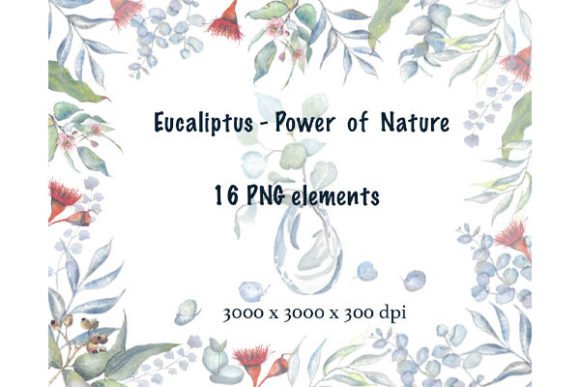
The appeal of these elements lies in their imperfection. Unlike vector graphics that can sometimes feel rigid or repetitive, high-quality watercolour captures the subtle variations of pigment, water flow, and paper texture. This set of hand painted watercolour elements, featuring eucalyptus flowers, branches, and leaves, provides creators with the raw materials needed to build designs that feel personal and crafted rather than generated. As consumer expectations rise, the demand for visuals that tell a story and evoke emotion has never been higher, making these assets essential tools in a contemporary creative workflow.
The Evolution of Botanical Aesthetics in Modern Workflows
The trajectory of design trends often mirrors broader cultural shifts. In recent years, there has been a collective yearning for nature and tranquility, driven by increased screen time and a fast-paced digital existence. The Watercolour Eucalyptus style answers this call by bringing a piece of the natural world into digital spaces and physical products. What began as a niche preference for wedding stationery has expanded into a universal language of elegance used across various industries.
Historically, accessing high-fidelity botanical illustrations required commissioning an artist or purchasing expensive stock photography with limited usage rights. Today, the democratization of design resources allows freelancers and small business owners to access professional-grade assets instantly. A comprehensive pack, such as one containing 16 high-resolution RGB PNG files, bridges the gap between amateur enthusiasm and professional output. These files, typically sized around 3000 x 3000 pixels at 300 DPI, ensure that the delicate details of the leaves remain crisp whether they are displayed on a retina screen or printed on textured cardstock.
This evolution also reflects a change in how creators work. The modern workflow is hybrid; a designer might create a digital invitation in the morning and print physical thank-you cards in the afternoon. Assets that perform seamlessly across both mediums are invaluable. The versatility of watercolour eucalyptus allows it to function as a subtle background pattern for a website, a bold focal point on a poster, or a delicate overlay on a photograph. This adaptability reduces the need for multiple asset purchases, streamlining the creative process and allowing professionals to focus on composition and messaging rather than sourcing materials.
Practical Applications for Creators and Entrepreneurs
For the practical creator, the utility of Eucalyptus Clipart extends far beyond simple decoration. The specific characteristics of these hand-painted elements—soft edges, translucent layers, and natural color palettes—make them ideal for a wide array of projects. Consider the following applications where these elements add significant value:
- Stationery and Invitation Design: This remains the cornerstone application. The organic shape of eucalyptus leaves frames text beautifully without overwhelming it. For wedding invitations, baby showers, or corporate event announcements, these elements provide a sophisticated border or corner accent that elevates the perceived value of the paper goods.
- Branding and Logo Creation: Small businesses, particularly in the wellness, beauty, and lifestyle sectors, often seek logos that convey growth and natural ingredients. A single, well-isolated eucalyptus branch can serve as the primary mark for a brand, offering a timeless look that avoids the dated feel of generic clip art.
- Digital Content and Blogging: In the realm of content marketing, visual consistency is key. Using a cohesive set of watercolour elements helps establish a recognizable visual identity across blog posts, social media graphics, and email newsletters. The soft greens and muted tones of eucalyptus pair exceptionally well with white space, improving readability and user engagement.
- Physical Crafts and Decoupage: The high resolution (300 DPI) of professional clip art packs makes them suitable for physical manipulation. Hobbyists engaged in scrapbooking, card-making, or decoupage can print these elements onto various surfaces. Because the images are provided as separate PNG files with transparent backgrounds, they can be layered easily onto fabric, wood, or heavy cardstock without unsightly white boxes surrounding the image.
The inclusion of diverse elements within a single pack—flowers, varying branch lengths, and individual leaves—allows for custom compositions. Rather than using a pre-made arrangement that others might also use, a designer can construct unique bouquets or patterns. This level of customization is crucial for maintaining originality in a saturated market.
Technical Considerations for High-Quality Output
While the aesthetic appeal is paramount, the technical specifications of design assets determine their usability. When selecting Watercolour Eucalyptus resources, attention must be paid to file format and resolution. The industry standard for professional printing is 300 dots per inch (DPI). Files offered at lower resolutions may appear acceptable on a smartphone screen but will result in pixelation and loss of detail when printed on physical media like posters or fabric.
The availability of RGB PNG files with transparency is another critical factor. PNG formats preserve the delicate, feathered edges characteristic of watercolour painting. Formats like JPEG often introduce compression artifacts or unwanted white backgrounds that require tedious editing to remove. A pack offering approximately 16 separate elements gives the user the flexibility to mix and match. For instance, a web designer might use a full branch for a header image, while a stationery designer might scatter individual leaves to create a seamless pattern for wrapping paper or fabric printing.
Furthermore, the color profile matters. While CMYK is traditionally used for offset printing, most modern home printers and digital print-on-demand services operate efficiently with high-quality RGB files, provided the colors are within the printable gamut. The natural greens of eucalyptus usually translate well across different devices, but having access to the original high-resolution source files ensures that color management can be handled correctly during the pre-press stage.
Adapting to Market Preferences and User Expectations
Current market preferences indicate a move towards "quiet luxury" and understated elegance. Consumers are increasingly savvy; they can distinguish between mass-produced, template-based designs and those that exhibit care and curation. Incorporating hand-painted elements signals to the audience that the creator values quality and detail. This perception builds trust, which is essential for converting viewers into customers or readers into loyal followers.
Moreover, the trend of DIY culture continues to thrive. Platforms dedicated to handmade goods and personalized gifts rely heavily on accessible yet premium design assets. Individuals looking to create their own wedding decor, party favors, or home decor items seek resources that allow them to achieve a professional look without needing advanced illustration skills. A well-curated set of eucalyptus elements empowers these users to execute their vision confidently.
From a sustainability perspective, the longevity of botanical themes also plays a role. Unlike fleeting pop-culture references or trendy geometric patterns that may date quickly, nature-inspired designs possess a timeless quality. Investing in a robust library of watercolour eucalyptus assets is a strategic decision for long-term branding. These elements can be repurposed season after season, adapted for different campaigns, and integrated into new product lines without losing relevance.
Strategic Recommendations for Implementation
To maximize the potential of Hand Painted Watercolour Elements, creators should consider the context in which they are applied. Overuse can dilute the impact, so restraint is often the most effective strategy. Use the eucalyptus branches to guide the viewer's eye toward key information, such as a date on an invitation or a call-to-action button on a landing page. Layering these elements with typography requires careful attention to contrast; ensure that text remains legible against the textured background of the leaves.
Additionally, experimenting with scale can yield interesting results. Enlarging a small leaf detail to cover a large portion of a design can create an abstract, artistic backdrop that adds depth without distraction. Conversely, using tiny clusters of leaves as bullet points in a document or list adds a subtle touch of whimsy that reinforces the brand's attention to detail.
Ultimately, the integration of Watercolour Eucalyptus into your design toolkit is about more than just following a trend; it is about embracing a style that prioritizes humanity, nature, and craftsmanship. In a digital world that often feels impersonal, these hand-painted textures offer a bridge to the tangible, reminding audiences of the beauty found in the natural world and the value of human creativity. Whether for a high-stakes corporate rebrand or a personal weekend craft project, these elements provide the foundation for designs that are both visually stunning and emotionally resonant.