Integrating Ballet Aesthetics into Professional Creative Workflows
In the realm of digital design and content creation, the integration of high-quality visual assets is often the differentiator between a functional project and a compelling one. When discussing the incorporation of Ballet themes into professional outputs, we are not merely talking about adding decorative images; we are discussing a strategic approach to branding, storytelling, and aesthetic consistency. The use of hand-painted watercolor clipart featuring ballet motifs serves as a versatile tool for creators ranging from stationery designers to digital marketers. Understanding how to effectively deploy these assets requires a shift in perspective from simple decoration to intentional workflow integration.
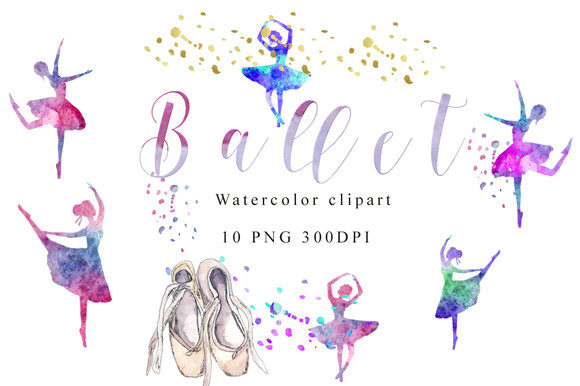
The specific asset pack in question—a collection of ten high-resolution RGB PNG files—represents more than just a download; it is a resource library ready for immediate deployment. With dimensions approximately 3000 x 3000 pixels at 300 DPI, these elements are engineered for scalability. This technical specification is crucial for professionals who must navigate the gap between digital screens and physical print media. A 300 DPI resolution ensures that whether the output is a web banner or a large-format invitation, the integrity of the watercolor texture remains intact, avoiding the pixelation that plagues lower-quality assets.
Pre-Production Planning and Asset Selection
Before a single design element is placed on a canvas, the planning phase dictates the success of the final product. Integrating Ballet imagery begins with defining the project's emotional tone. Watercolor, by its nature, suggests fluidity, grace, and a human touch that vector graphics often lack. When selecting these assets for a project, consider the target audience. For educators teaching dance history, the imagery provides a contextual anchor. For entrepreneurs launching a boutique fitness studio, the same images convey elegance and discipline.
During this stage, compatibility with your existing software ecosystem is paramount. Since these files are provided in PNG format with separate images, they offer transparency, allowing them to sit seamlessly over various backgrounds without unsightly white boxes. This feature accelerates the drafting process. Designers can drag and drop these elements into Adobe Photoshop, Illustrator, Canva, or Affinity Designer without needing to perform time-consuming background removal tasks. This efficiency allows the creator to focus on composition and layout rather than technical cleanup.
It is also vital to assess the color profile early in the process. These files are in RGB, which is the standard for digital displays. If the end goal includes physical products like fabric printing or high-end paper invitations, a conversion to CMYK may be necessary during the pre-press stage. However, starting with high-resolution RGB files provides a robust master copy from which to derive other formats, ensuring that color fidelity is maintained throughout the conversion process.
Execution: Applying Assets Across Diverse Mediums
Once the planning phase is complete, the execution phase involves applying the Ballet clipart across specific deliverables. The versatility of this ten-element set allows for a cohesive brand identity across multiple touchpoints. For instance, a wedding planner might utilize these watercolor dancers for announcement cards and save-the-date magnets. The organic edges of the watercolor style soften the formal nature of wedding stationery, creating an inviting and romantic aesthetic.
In the context of digital marketing and web design, these assets function effectively as photo overlays or section dividers. A blogger focusing on wellness or arts coverage can use the silhouettes to break up text-heavy posts, improving readability and visual engagement. Because the files are high resolution, they can be scaled down for thumbnails without losing detail, or used as full-width hero images with reduced opacity to create subtle textures behind text.
For product-based businesses, such as those selling planners or journals, the application extends to surface pattern design. The separate images allow designers to arrange the ballet elements into repeating patterns for paper or fabric printing. This process involves arranging the ten unique elements in a grid or offset layout to create a seamless tile. The hand-painted quality adds a premium feel to mass-produced items, distinguishing them from generic, computer-generated patterns found in stock libraries.
- Stationery Design: Use the elements for greeting cards, where the watercolor texture mimics traditional painting techniques.
- Digital Scrapbooking: Layer the PNGs over journaling cards to add depth and thematic relevance to memory-keeping projects.
- Logo Creation: Incorporate a single dancer silhouette into a logo for a dance academy, leveraging the negative space and fluid lines.
- Papercraft and Decoupage: Print the images on high-quality cardstock for physical crafting, utilizing the 300 DPI resolution for crisp cutting lines.
Workflow Efficiency and Organization
Maintaining an organized digital asset management system is critical for long-term productivity. Upon downloading the instant access pack, the immediate step should be to archive the original files in a secure, backed-up location. This preserves the "master" copies. From there, create working folders categorized by project type. For example, have specific directories for "Web Graphics," "Print Ready," and "Social Media." This structure prevents the accidental degradation of image quality that occurs when repeatedly saving and re-saving compressed files.
Efficiency is further enhanced by understanding the limitations and strengths of the assets. While the set contains ten elements, creative manipulation can expand their utility. By adjusting hue and saturation levels within image editing software, a creator can adapt the Ballet figures to match specific brand colors without repainting them. This flexibility ensures that the assets remain useful even as brand guidelines evolve. Furthermore, combining these watercolor elements with typography requires careful attention to contrast. The soft edges of the paint work best against clean, sans-serif fonts or elegant scripts that mirror the movement of the dancers.
Quality Control and Final Output
As the project nears completion, quality control becomes the primary focus. For digital outputs, verify that the file sizes are optimized for web loading speeds without compromising visual clarity. Large 3000-pixel images may need compression for mobile responsiveness. For physical outputs, such as fabric printing or decoupage creations, a test print is essential. This step confirms that the color translation from screen to substrate meets expectations. The grain and texture of the paper or fabric will interact with the ink differently than a monitor does, so adjustments to brightness or contrast may be required before the final run.
Consistency is key when using these assets across a campaign. If a ballet motif is used on a business card, ensure that the same stylistic treatment appears on the corresponding website and social media headers. This repetition builds brand recognition. The hand-painted nature of the clipart provides a unique signature style; overusing it or mixing it with conflicting art styles (such as flat vector icons) can dilute its impact. Stick to a complementary palette of textures and fonts to maintain a unified visual language.
Long-Term Value and Adaptability
The true value of a high-resolution clipart pack lies in its longevity. Unlike trend-driven graphics that may feel dated within months, the classical subject of Ballet combined with the timeless medium of watercolor ensures enduring relevance. These assets can be revisited years later for new projects, offering a sustainable return on investment. For freelancers and small business owners, having a reliable library of such assets reduces the time spent searching for suitable images for every new client request.
Moreover, the digital-only nature of this product eliminates shipping delays and physical storage constraints. The instant download model supports agile workflows where deadlines are tight. Whether you are a teacher preparing classroom materials, a marketer launching a spring campaign, or a hobbyist engaging in DIY home decor, the ability to purchase, print, and enjoy immediately streamlines the creative process. By treating these digital files as integral components of a broader production strategy rather than afterthoughts, creators can elevate the quality of their work while maintaining efficient operational standards.
In conclusion, the successful integration of ballet-themed watercolor clipart hinges on strategic planning, technical awareness, and consistent application. By respecting the resolution limits, optimizing for the intended medium, and organizing assets for easy retrieval, professionals can harness the elegance of these designs to enhance their projects. The result is a body of work that feels curated, professional, and aesthetically resonant, proving that the right digital tools, when used correctly, are indispensable to modern creative execution.