Evaluating Lemon and Olive Clipart for Professional and DIY Design Projects
In the evolving landscape of digital design, the choice of visual assets can significantly influence the tone and reception of a project. For designers, hobbyists, and small business owners curating materials for weddings, branding, or personal crafts, Lemon and Olive Clipart has emerged as a distinct category worth evaluating. This specific combination of botanical elements offers a unique aesthetic that bridges the gap between rustic charm and sophisticated elegance. However, selecting the right graphic resources requires more than just an appreciation for the imagery; it demands an understanding of file formats, resolution capabilities, and how hand-painted styles compare to vector or photographic alternatives.
Defining the Aesthetic: Hand-Painted Watercolor vs. Digital Vectors
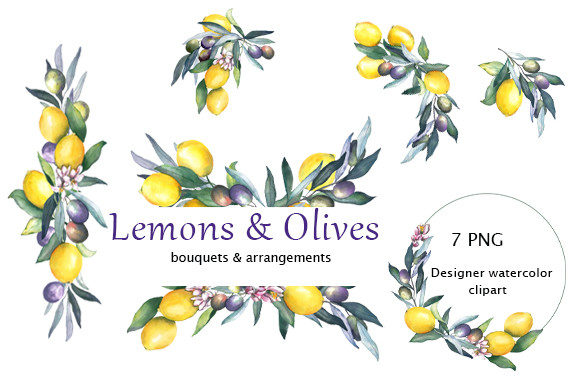
The primary distinction of this clipart set lies in its medium: hand-painted watercolor. Unlike vector graphics, which are defined by mathematical paths and often feature crisp, uniform lines and flat colors, watercolor illustrations possess organic textures, soft edges, and natural color variations. When applied to lemon and olive motifs, this technique captures the translucency of citrus rinds and the silvery-green nuance of olive leaves in a way that rigid digital drawing tools often struggle to replicate authentically.
For users comparing options, the trade-off is clear. Vector files (such as SVG or EPS) offer infinite scalability without pixelation, making them ideal for large-format signage or embroidery digitizing. In contrast, high-resolution raster files like the 300 DPI PNGs typically found in premium watercolor sets provide superior textural depth. A standard set of lemon and olive branches, bouquets, or wreaths rendered in watercolor usually comes at approximately 12x12 inches. While this limits infinite enlargement, it is more than sufficient for the vast majority of print applications, including wedding invitations, greeting cards, and paper goods where tactile quality is paramount.
Key Characteristics of High-Quality Botanical Sets
When assessing a collection of lemon and olive elements, several technical and artistic factors determine their utility. A robust set should not merely offer isolated fruits or leaves but should include composed arrangements such as:
- Bouquets and Wreaths: Pre-arranged clusters that save time for users who may lack formal training in floral composition.
- Individual Branches: Flexible elements allowing for custom layout creation in scrapbooking or border designs.
- Transparent Backgrounds: Essential for layering images over colored paper, fabric patterns, or photo overlays without unsightly white boxes.
- Color Consistency: A cohesive palette where the yellows of the lemons and the greens of the olives harmonize across all seven to ten elements in the pack.
The inclusion of transparent backgrounds in RGB PNG format is particularly critical for digital applications. Whether designing a blog header, a social media quote card, or a website banner, the ability to layer these watercolor elements seamlessly ensures a professional finish. For physical projects, the 300 DPI resolution ensures that when printed on cardstock or fabric, the watercolor texture remains crisp rather than appearing blurry or pixelated.
Comparative Analysis: Use Cases and Suitability
Understanding where lemon and olive clipart fits within the broader spectrum of design resources helps in making an informed decision. This style is not a universal solution for every project type; its effectiveness depends heavily on the intended mood and medium.
Ideal Applications for Watercolor Botanicals
The Mediterranean vibe evoked by lemons and olives makes this clipart exceptionally well-suited for specific industries and events. Wedding stationery is perhaps the most prominent use case. The soft, romantic nature of watercolor complements themes ranging from rustic barn weddings to elegant vineyard ceremonies. Here, the slight imperfections of the hand-painted style add a human touch that feels exclusive and artisanal, distinguishing the invitation from mass-produced templates.
Beyond weddings, these elements are highly effective for:
- Branding for Food and Hospitality: Restaurants, cafes, and specialty food shops (particularly those selling olive oil or citrus products) benefit from the appetizing and fresh imagery.
- Paper Crafts and Scrapbooking: The texture of watercolor interacts beautifully with physical papers, making it ideal for decoupage, cardmaking, and journaling.
- Fabric and Surface Pattern Design: When tiled correctly, these elements can create seamless patterns for textiles, wrapping paper, or ceramic surfaces.
- Digital Content Creation: Bloggers and influencers often use these overlays to soften photography or add visual interest to text-heavy graphics.
Limitations and When to Choose Alternatives
While versatile, hand-painted lemon and olive clipart does have limitations. If a project requires strict brand guidelines with specific Pantone matches, watercolor may be too variable. The nature of the medium means colors can shift slightly between screens and printers, and exact color replication is harder to guarantee compared to flat vector illustrations.
Furthermore, for projects requiring extreme scalability—such as vehicle wraps or building-sized banners—the fixed resolution of a 12x12 inch PNG may result in quality loss if enlarged beyond 150% or 200%. In such scenarios, a vector-based alternative or a high-end photographic stock image might be the more prudent choice. Similarly, if the design goal is ultra-modern, minimalist, or tech-focused, the organic, traditional feel of watercolor might clash with the desired aesthetic, necessitating a geometric or line-art approach instead.
Technical Considerations for Implementation
Successfully integrating these assets into a workflow requires attention to technical details. Most high-quality sets provide files in the RGB color space, which is optimized for screens. However, for professional printing (offset or digital press), designers must be aware of the potential need to convert these files to CMYK. This conversion can sometimes dull the vibrancy of bright yellows and fresh greens. It is advisable to request a proof or test print before committing to a large run of wedding invitations or product packaging.
Additionally, the "instant download" nature of many digital shops means users receive raw PNG files. Unlike subscription services that offer integrated plugins for design software, these files require manual import into tools like Adobe Photoshop, Illustrator, Canva, or Procreate. Users should ensure they have the necessary software to manipulate layers, especially if they intend to combine the lemon and olive elements with typography or other graphical components.
Making the Final Decision
Choosing between lemon and olive clipart and other design resources ultimately comes down to the project's emotional goal and technical constraints. If the objective is to convey warmth, authenticity, and a connection to nature, the hand-painted watercolor style is unparalleled. Its ability to soften layouts and add artistic flair makes it a top contender for lifestyle and event-based designs.
However, for projects demanding absolute precision, infinite scaling, or corporate rigidity, exploring vector libraries or custom illustration services may yield better results. By weighing the textural benefits of watercolor against the flexibility of vectors, creators can select the asset type that truly elevates their work. Whether utilized for a delicate wedding suite, a vibrant blog post, or a custom fabric print, the right selection of lemon and olive elements can transform a standard design into a memorable visual experience.
Ultimately, the value of these clipart sets lies in their versatility and the immediate artistic quality they bring to a project without the need for advanced painting skills. For those willing to navigate the minor technical considerations of resolution and color spaces, these hand-painted resources offer a powerful tool for creative expression.